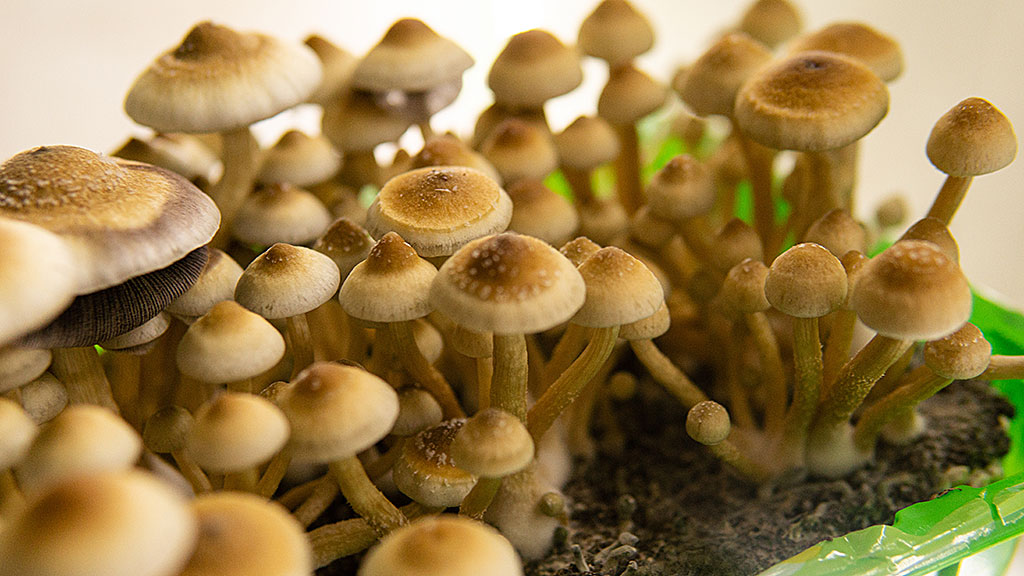

What is microdosing, and how is it practiced with magic mushrooms?
Microdosing involves consuming very small, sub-perceptual amounts of psilocybin-containing mushrooms. The goal is not to experience a full psychedelic trip, but rather to enhance mood, focus, and creativity. Typical doses range between 0.1 to 0.3 grams of dried mushrooms, often taken every three to four days following structured magic mushrooms for microdosing schedules reported by users.
What motivates individuals to try microdosing?
Real user experiences indicate several primary reasons for microdosing. Many individuals report using it to improve cognitive function, boost energy levels, or manage symptoms of anxiety and depression. Others cite enhanced creativity, better problem-solving abilities, and improved emotional resilience. While motivations vary, a common trend is the desire for subtle, consistent benefits without disrupting daily responsibilities.
How do users typically measure the effects?
Many microdosers track their experiences through journals or apps, recording changes in mood, focus, or productivity. According to compiled user data, a significant portion notices an uplift in mental clarity and emotional stability within the first few weeks. However, effects are subtle and often subjective, making individual tracking important for assessing personal outcomes.
Are there reported risks or side effects?
Even at low doses, some users report mild side effects, including headaches, gastrointestinal discomfort, or temporary restlessness. Statistically, these side effects are less frequent than those associated with higher, psychedelic doses, but caution is advised. Real user surveys emphasize starting with the lowest effective dose and adjusting gradually.
What patterns emerge from user experiences?
Data from forums, online surveys, and anecdotal reports suggest consistent patterns. Approximately 60–70% of users report enhanced focus and productivity. Mood improvements are noted by nearly half of respondents, while around 20–25% highlight subtle shifts in social engagement and empathy. These trends indicate that microdosing effects are largely psychological and functional rather than perceptual.
How do users integrate microdosing into their lifestyle?
Successful microdosers often maintain structured schedules, taking doses every three days or following a “two days on, one day off” approach. Combining microdosing with mindfulness, meditation, or exercise appears to amplify perceived benefits. Users emphasize that lifestyle factors—sleep, diet, and stress management—play a critical role in outcomes.
What do real experiences say about long-term use?
Long-term users tend to report cumulative improvements in mood and mental resilience without significant tolerance development. However, consistent monitoring is recommended, as prolonged use can vary widely among individuals. User communities stress moderation and self-awareness as key factors in safe and beneficial microdosing.
Conclusion
Real user experiences with microdosing magic mushrooms reveal a nuanced picture: subtle yet meaningful improvements in focus, mood, and creativity for many, balanced by occasional minor side effects. While not a substitute for medical treatments, microdosing remains a popular strategy for those seeking incremental cognitive and emotional benefits. Careful measurement, responsible dosing, and attention to personal health patterns are central to achieving positive outcomes.