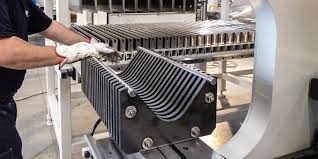

High-force bending is a critical process in metal fabrication, particularly when working with thick sheets, high-strength alloys, or complex components. Standard press brake tooling often falls short in these demanding applications, making specialized tooling solutions essential for precision, durability, and efficiency. By leveraging advanced designs and materials, manufacturers can ensure consistent results even under extreme pressure.
Understanding High-Force Bending
High-force bending requires press brake tooling that can withstand significant stress while maintaining precise geometry. When bending thick or hardened materials, tooling must resist deformation, cracking, and wear. Specialized tools are designed with reinforced structures, high-grade materials, and optimized geometries to distribute bending forces evenly across the workpiece, ensuring accurate angles and reducing springback.
Durability Through Advanced Materials
The durability of high-force tooling is achieved through the use of hardened tool steels and advanced surface treatments. These materials provide excellent resistance to wear, abrasion, and impact, extending the lifespan of the tooling even under rigorous production conditions. Heat treatment processes, such as quenching and tempering, enhance toughness, allowing the tools to endure repeated high-pressure operations without compromising performance.
Precision for Consistent Results
Accuracy is paramount in high-force bending. Specialized tooling is engineered to maintain exact dimensions and tolerances, ensuring that each bend meets strict specifications. High-precision dies and punches reduce material deformation, improve alignment, and minimize the need for secondary corrections. Consistent bend quality is crucial for industries where tight tolerances are required, including automotive, aerospace, and heavy machinery fabrication.
Efficiency and Workflow Advantages
Specialized tooling solutions also enhance workflow efficiency. By providing reliable performance under high loads, they minimize downtime caused by tool wear or breakage. Modular and quick-change designs allow operators to switch between tooling configurations rapidly, accommodating different materials and bending requirements without lengthy setup times. This flexibility increases throughput and optimizes production schedules.
Reducing Material Waste
High-force specialized tooling contributes to material efficiency. Accurate bends achieved on the first attempt reduce scrap and minimize costly errors. By controlling stress distribution during bending, these tools prevent cracks, surface marks, and warping, ensuring higher-quality finished parts and lowering overall material costs.
Conclusion
Specialized tooling solutions are essential for high-force bending applications, offering a combination of strength, precision, and efficiency. Advanced materials, precise engineering, and optimized designs enable manufacturers to handle demanding projects while maintaining consistent quality and reducing waste. Investing in these specialized tools ensures reliability, extends tool life, and enhances overall productivity in modern metal fabrication operations.