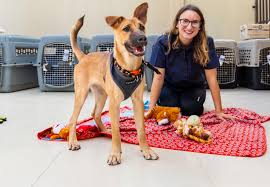

When you are away from home, ensuring the safety and well-being of your canine companion is paramount. While relying on a neighbor or a gig-economy pet sitter might seem convenient, the data surrounding animal care suggests that dedicated facilities offer a dog boarding significantly higher standard of safety.
Choosing professional dog boarding with highly trained animal care specialists eliminates the variables associated with informal sitting. It provides a structured, secure environment managed by individuals who understand canine behavior, health protocols, and emergency procedures.
Why is specialized training critical for animal care?
The primary distinction between a hobbyist sitter and a professional is the depth of training. Highly trained animal care specialists undergo rigorous education regarding animal psychology and medical triage.
In a professional setting, staff members are trained to recognize the subtle, early signs of illness or distress that an untrained eye would likely miss. For example, a slight change in gait or a refusal to eat can be an early indicator of a medical emergency like bloat. Professionals are equipped to identify these symptoms immediately and seek veterinary intervention, drastically reducing the risk of fatal outcomes during your absence.
How does professional boarding reduce canine stress?
Statistics in animal behavior research indicate that dogs thrive on routine. Anxiety often spikes when a dog’s environment or schedule changes abruptly. Professional boarding facilities operate on strict schedules for feeding, play, and rest.
This predictability helps regulate a dog’s cortisol levels. Furthermore, highly trained specialists know how to manage group play dynamics safely. They can identify body language precursors to aggression or fear, intervening before an incident occurs. This proactive management ensures that social interactions remain positive and enriching rather than stressful.
What are the health and safety standards?
One of the most significant advantages of professional boarding is the adherence to strict health protocols. Informal sitting arrangements rarely require proof of vaccinations, which increases the risk of spreading communicable diseases like Bordetella (kennel cough) or parvovirus.
Professional facilities enforce 100% vaccination compliance for all guests. Additionally, these environments are designed with physical safety in mind. This includes secure, high fencing to prevent escapes, non-slip flooring to protect joints, and industrial-grade sanitation processes to eliminate bacteria.
Is 24/7 supervision standard?
In many professional settings, the level of supervision is constant. Unlike a sitter who might leave the dog alone for hours to go to work or run errands, a boarding facility ensures that someone is always accountable for your pet. This constant oversight is crucial for preventing destructive behaviors and ensuring that even in the middle of the night, your dog is never truly alone.
Investing in Peace of Mind
Ultimately, the choice comes down to risk management. Entrusting your dog to highly trained animal care specialists ensures that every aspect of their day—from nutrition to socialization—is handled with professional expertise. It transforms the experience from simple “pet sitting” into comprehensive animal care.